Analog Recording

Consider. Analog recorders can’t precisely edit. They don’t have the ability to enhance. They won’t correct pitch or rhythm. They don’t have AI or automation. All they can do is record the music they hear, as is.

If you want to record a great album with analog recorders, then you’ll need great musicians. They won’t waste your time trying to make a mediocre musician sound like a virtuoso. That makes analog a far better recording format than modern systems.

Analog is honest.

When you hear great music from analog you know that you're hearing a genuinely great musical performance.

Life is too short to deal with mediocre music. Use analog recorders, enjoy analog-ready music.

Is your band analog-ready?

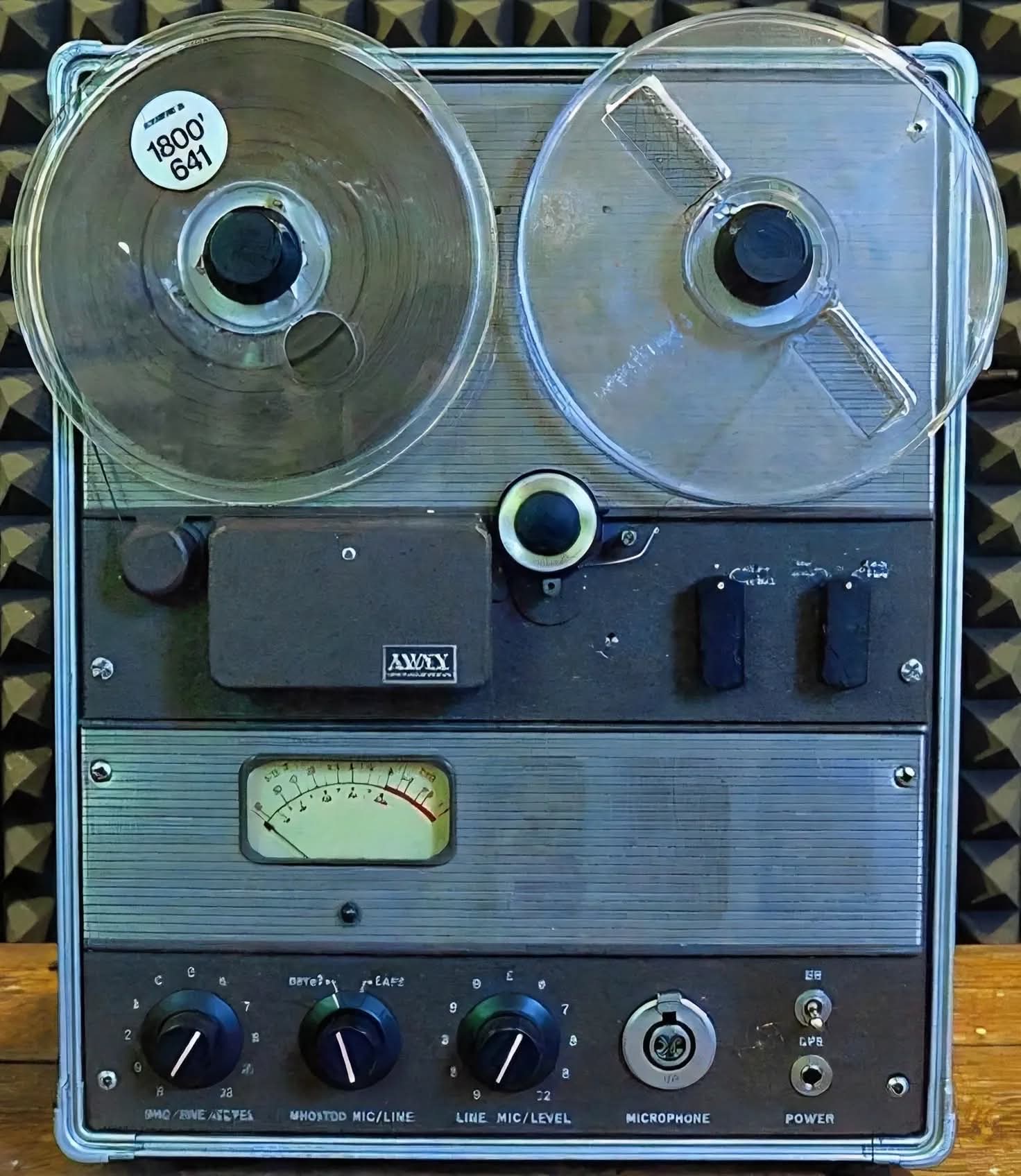
Ampex 602

A single-purpose professional sound recorder to capture music (and other sounds) on location as easily as possible. Set the recording level, switch it into “Record,” let it run for 1/2-hour, switch into “Stop”; done! The best takes become the album. Primitive? Maybe by 2026 standards.
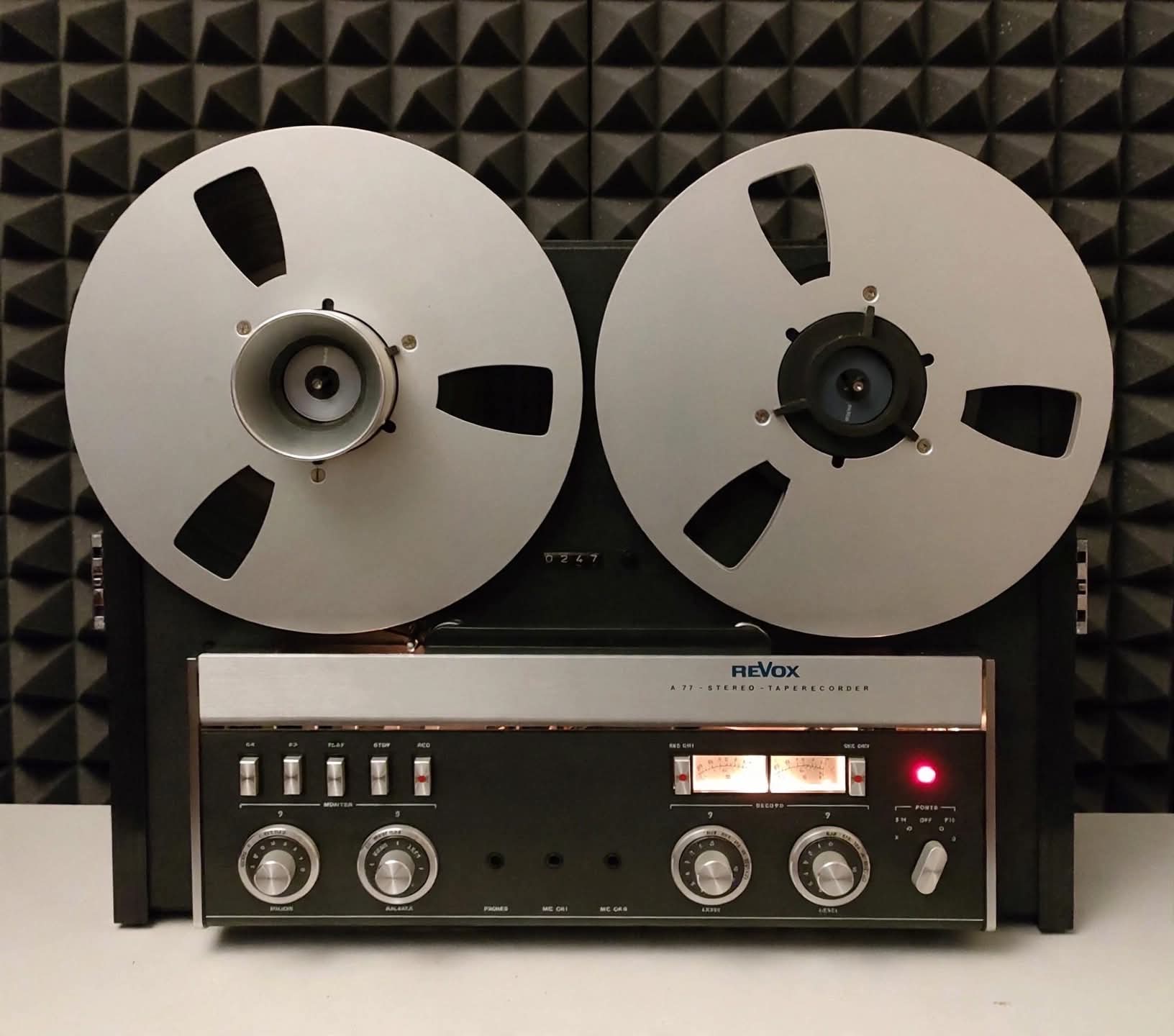
Revox A77

One of our favorite recorders since the 1970s. Why? Outstanding sound quality, and a modular design that just begs to be hotrodded. Ours has been extensively modified.

This suitcase model has a built in stereo power amplifier to use with external monitor speakers, which greatly eases location recording. It adds a pair of small speakers in the case for greater flexibility. Yes, they’re not studio monitors but they are good enough to get a good idea of the recording’s quality. For a recorder that takes 10-1/2” tapes, it’s compact.

Our A77 runs at 15 ips instead of its original 7-1/2 ips for transparent, studio quality sound. A studio in a suitcase! How cool is that?

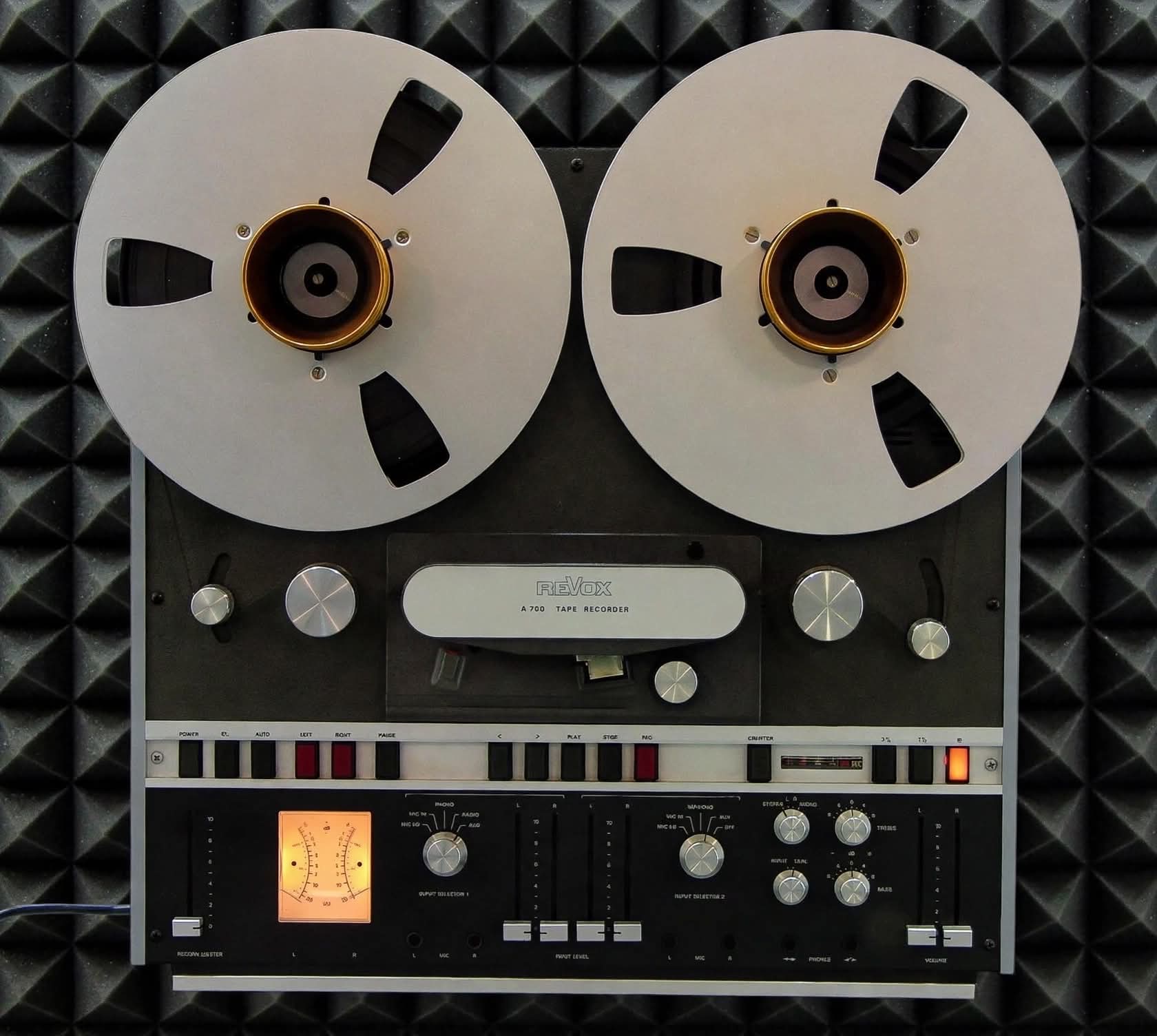
Revox A700

A unique concept, combine an audiophile preamplifier with a studio master deck and you get the A700. Three speeds, a constant-tension tape drive, and logic control ensure imperceptible flutter-and-wow. Pristine audio circuitry with input mixing of microphone, line, RIAA phono, and DIN-level sources. It gives us master-deck sound without master-deck cost. How cool is that?

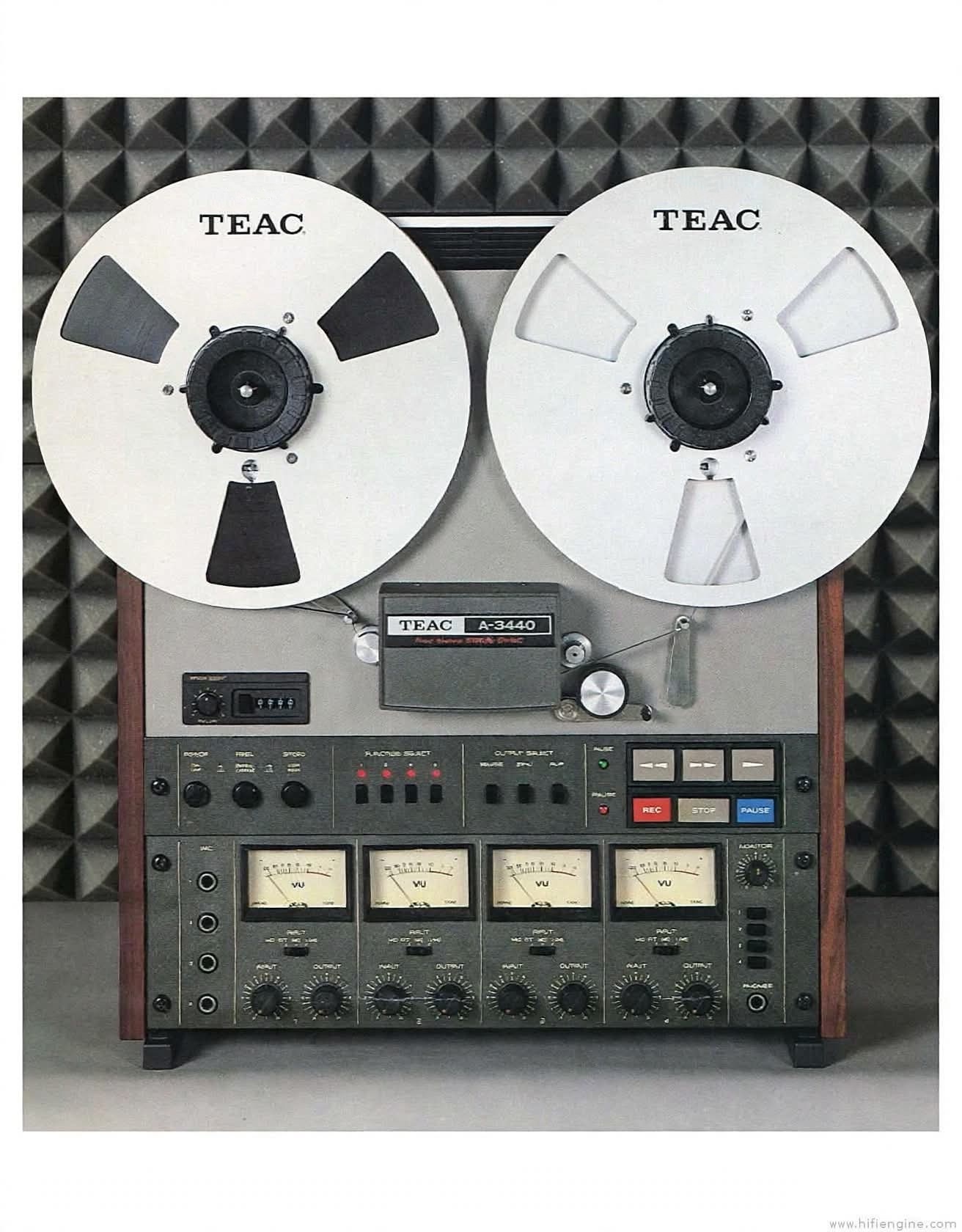
TEAC A3440

Once a staple of radio stations, production houses, and small studios, the A3440 was voiced by TEAC to sound like a full-size Ampex AG440 series master deck. We’ve used the AG440, and TEAC suceeded. It’s a true multi-track recorder with self-synch functions. Don’t underestimate the A3440, it will deliver master-deck sound along with the versatility and creativity of multi-track. Don’t think you can do much with only 4 tracks? Think again, many chart-topping bands of the 1960s used 4-track recorders. Be creative!

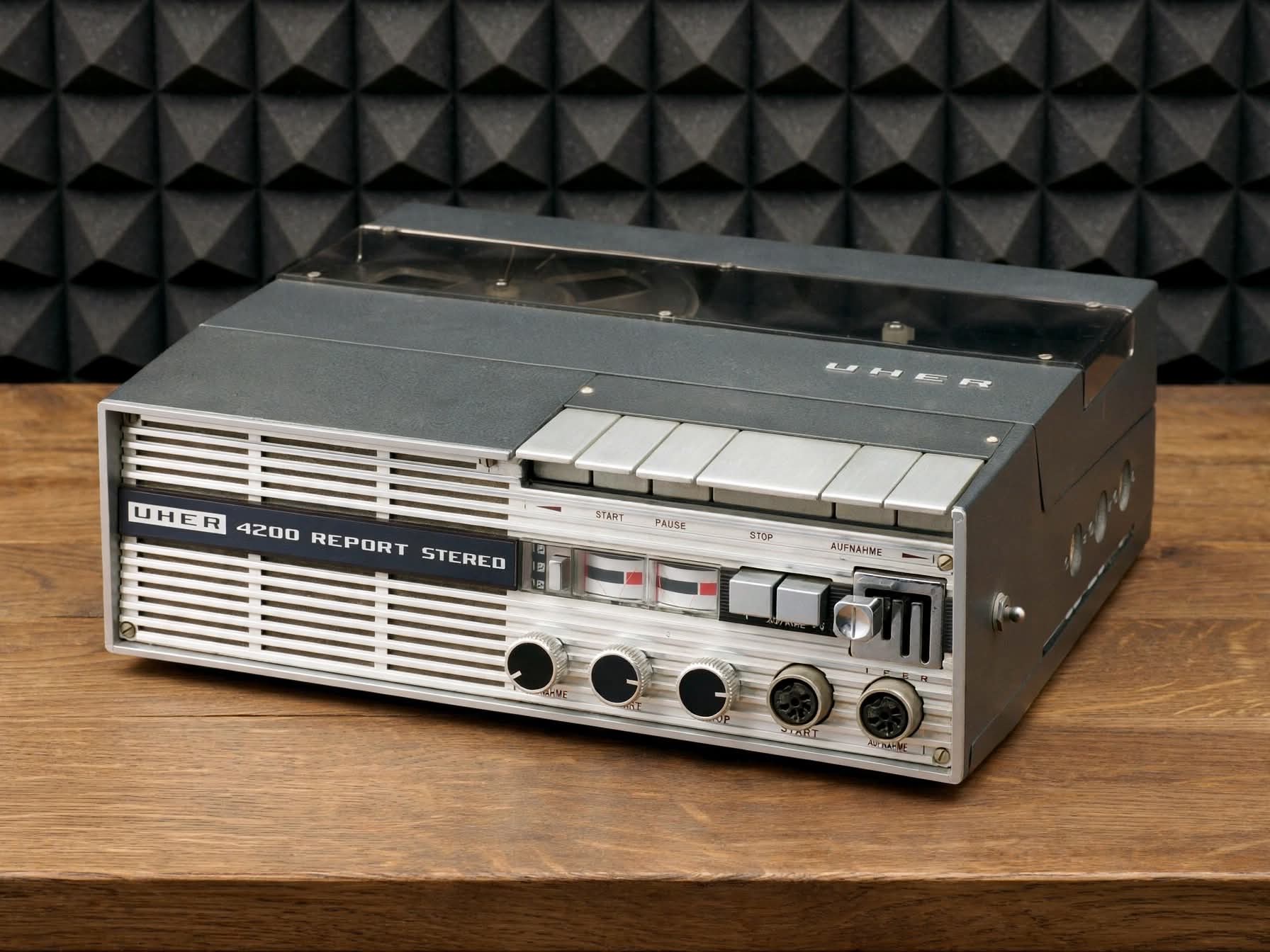
Uher 4200 Report Stereo

About the size of a lunchbox, this versatile reel-to-reel uses 5-inch reel tapes. Germanium transistor circuitry creates a distinctive tone. It’s powered by 5 alkaline D-size cells. Or a rechargeable battery, AC adapter, and a 12-volt vehicle power adapter. Four tape speeds gives sound that varies from broadcast quality clarity to surveillance tape awful. The robust tape drive enables you to capture music while marching alongside a band or while actually being on the run. The Uher 4200 rewards a patient recordist with excellent location recordings. We enjoy its quirkiness.

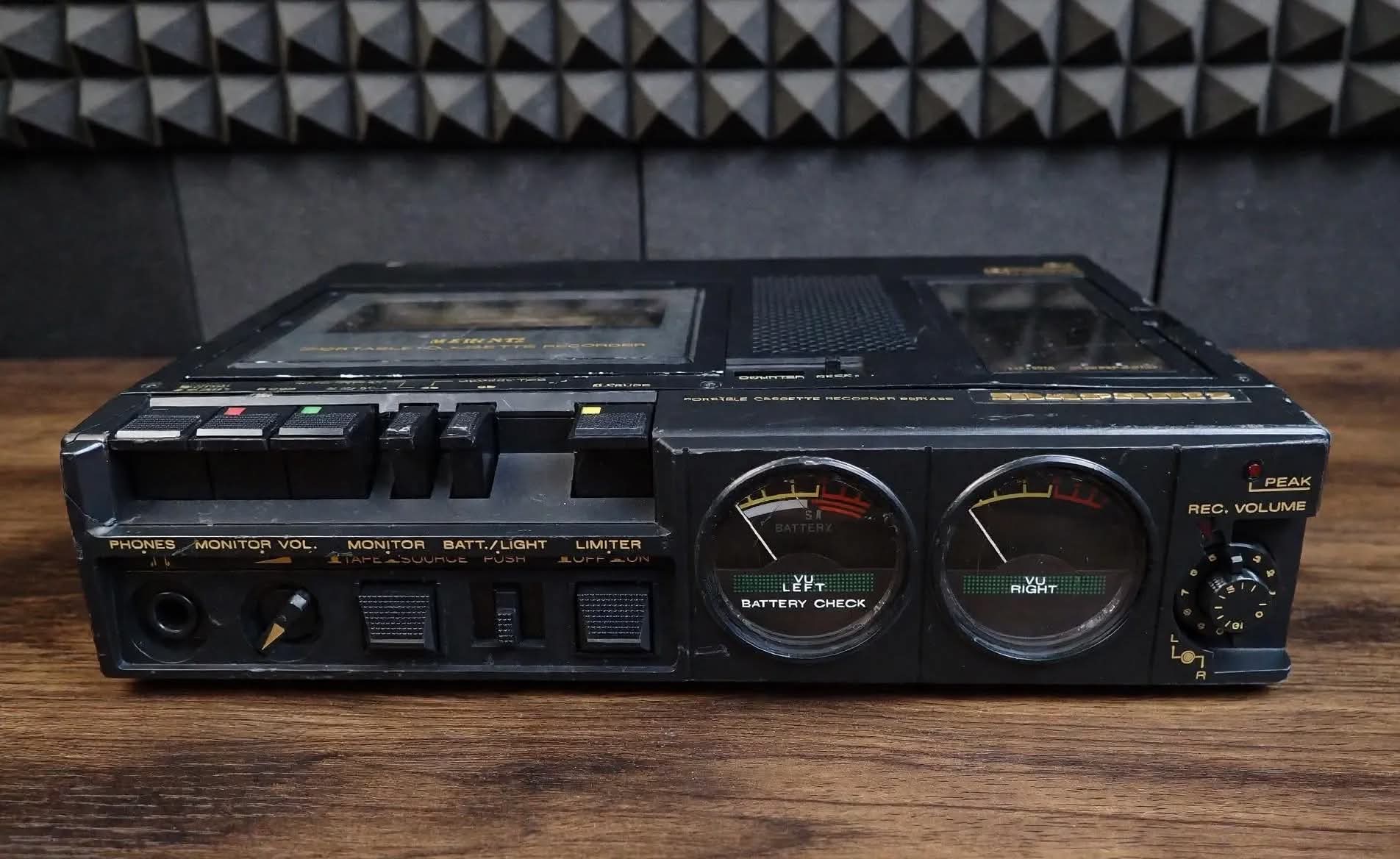
Marantz PMD430

A portable professional cassette recorder. It takes normal, chrome, and metal tape bias cassettes, has Dolby and DBX noise reduction, variable speed, three heads, powered by 3 D-size alkaline or NiCad cells, and a small speaker. All crammed into the size of a hardback book.

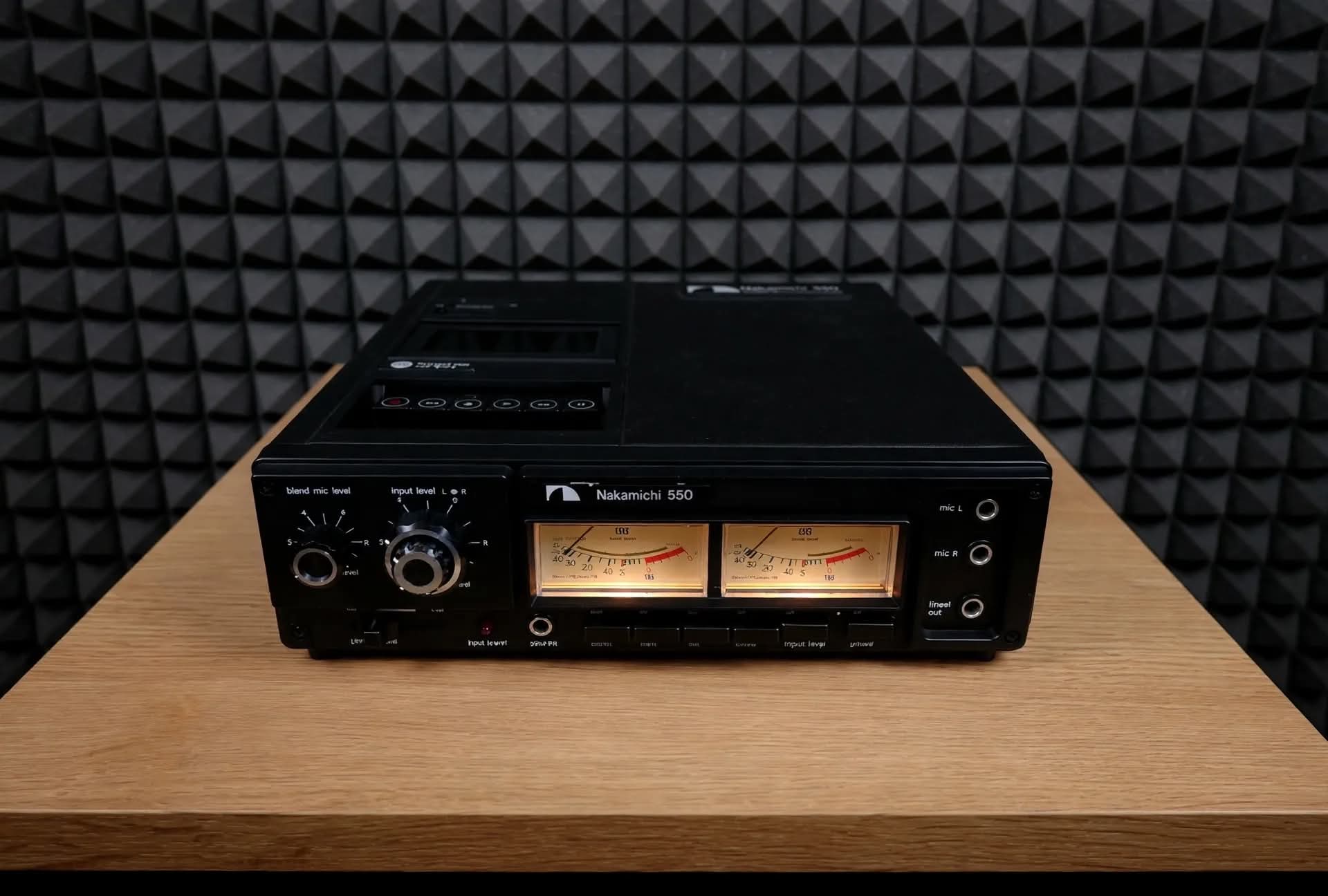
Nakamichi 550

Another analog recorder jewel, the Nakamichi 550 Versatile Cassette System. Known for its three microphone inputs, this is a true joy to use. Despite being a cassette recorder, it sounds like a great reel-to-reel. Live recording is foolproof because it has the best peak limiter ever fitted to a recorder. It's powered by 12 D-size alkaline cells. Hey, what price glory? You make excellent recordings while getting a vigorous workout. The Cardio Tapes.