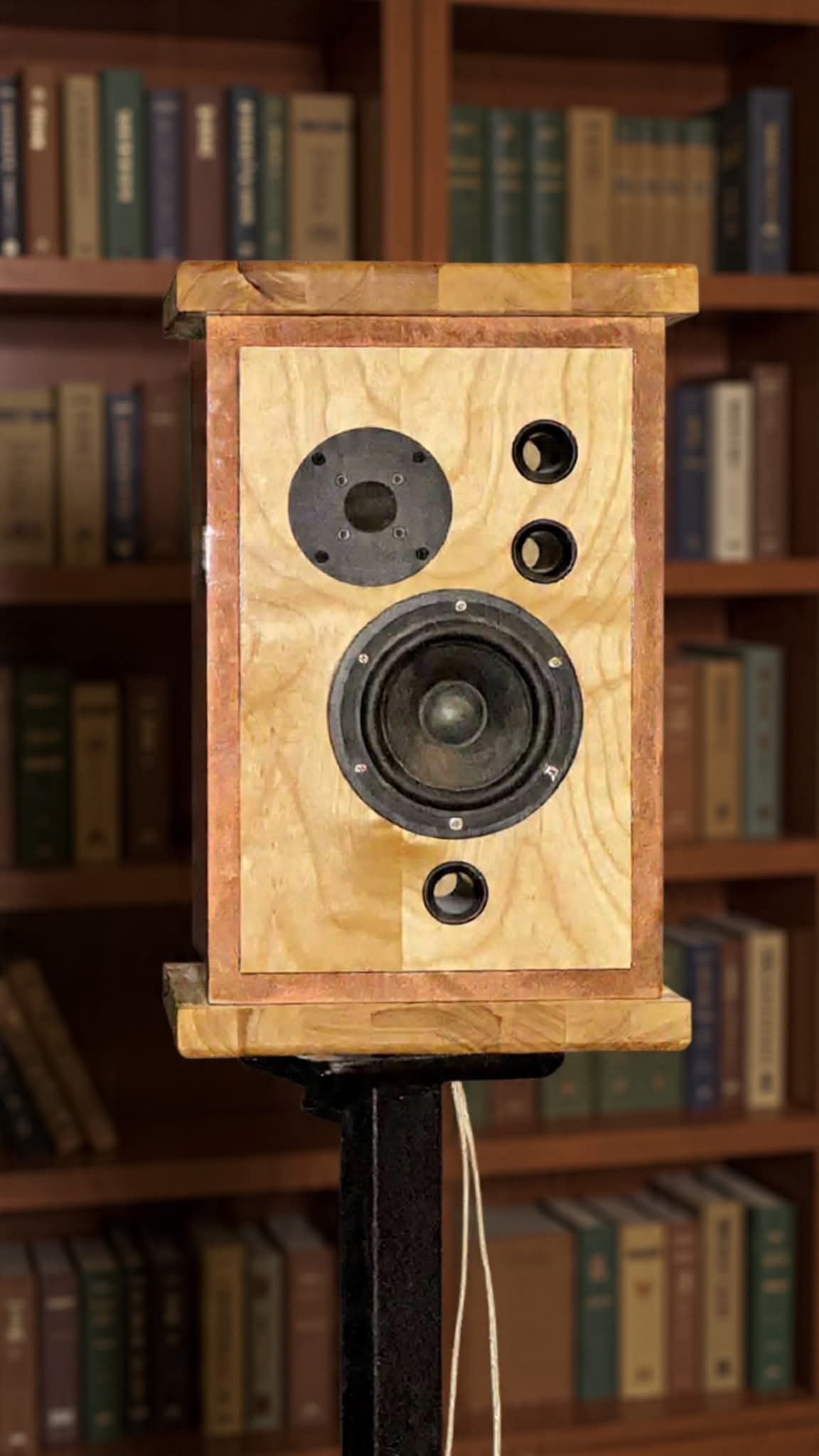
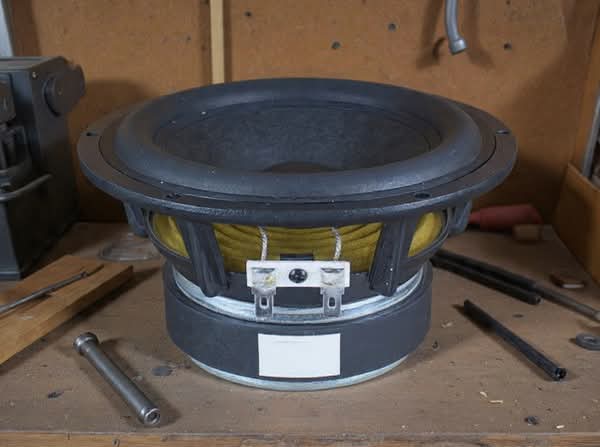
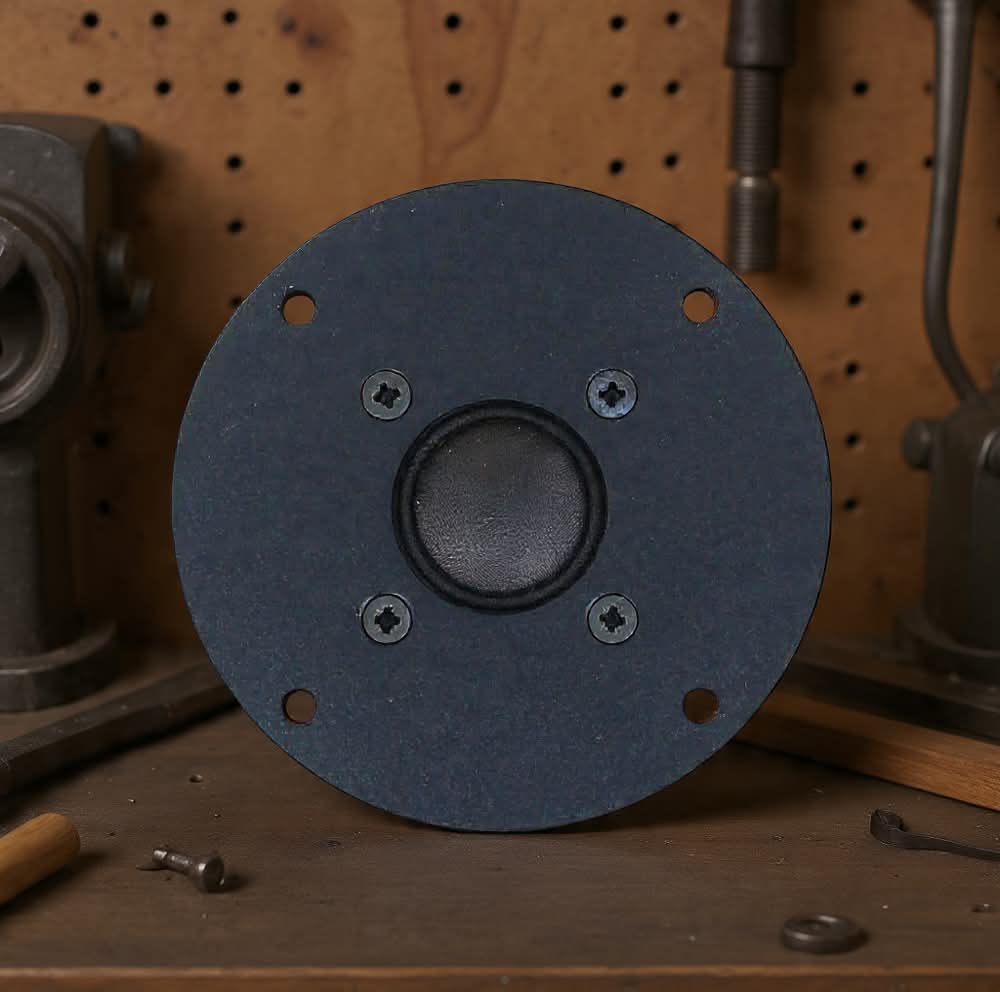
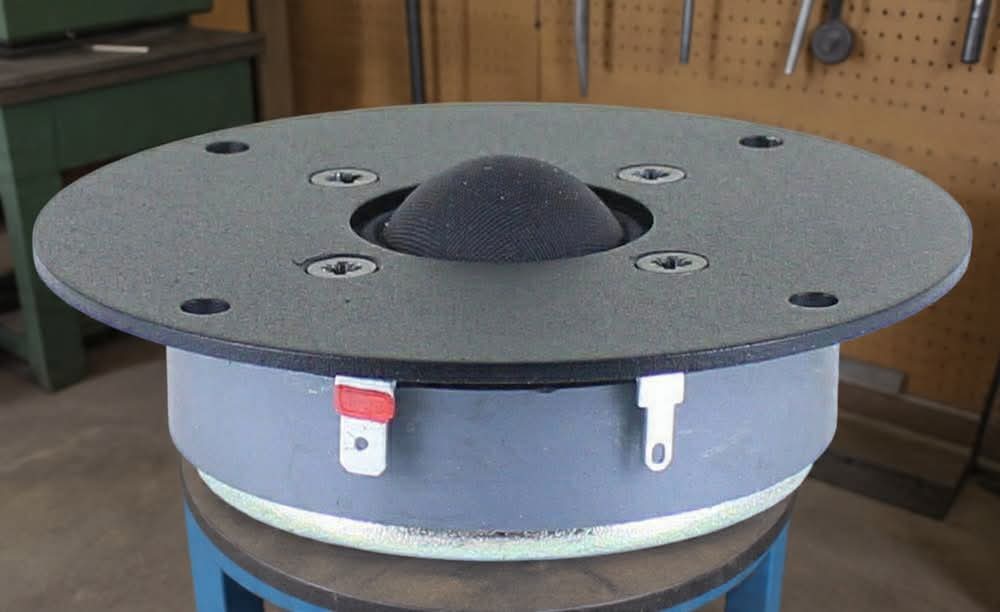
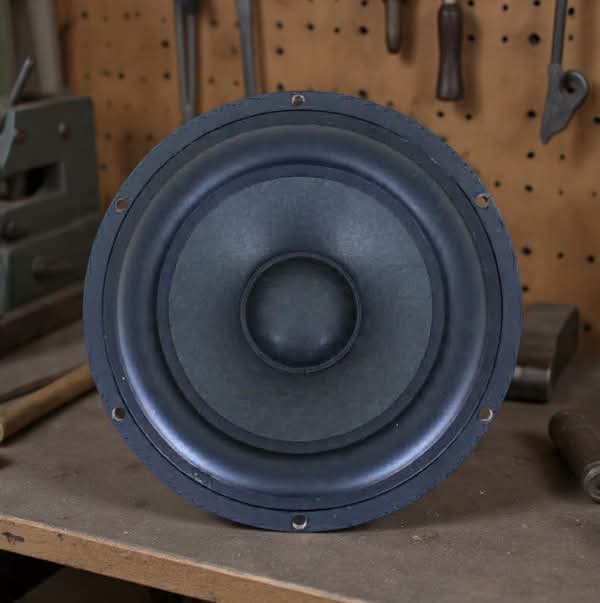
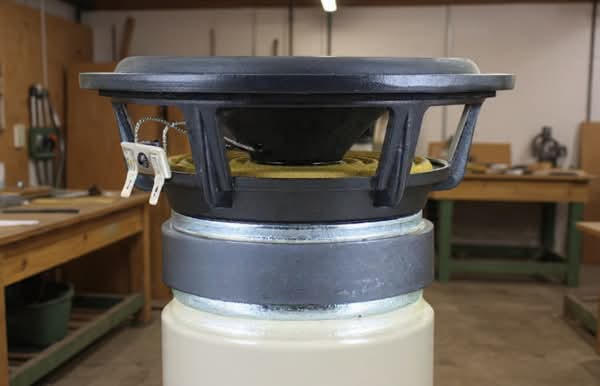
Altisonus:Socrates was inspired by the “mini-monitor” trend that began in the United States in 1979. It’s an entry into the ultimate-level Altisonus Listening Experience. The goal was to achieve the same degree of bass detail and transient response of a sealed-cabinet design with a bass reflex. The combination of the 5-inch bassmid and the three vents succeeds, and has the additional advantage of exploiting psychoacoustic principles to make Altisonus:Socrates sound larger than it is.
The Altisonus:Socrates has a proprietary bass reflex alignment that is very tightly balanced. This distributed vent array results in improved transient response, phase coherence, and an absence of low-frequency “wolf tones” to a magnitude normally associated with sealed cabinets.
Altisonus:Socrates lacks the “one note bass” of many bass reflex speakers. You’ll hear every subtle texture and layer of the album’s bass sounds, a hallmark of the Altisonus Listening Experience, something most speakers cannot achieve.
Altisonus:Socrates is intended to be biamplified as the interactions between even the finest crossover components asnd the drivers will prevent Altisonus:Socrates achieving its effortless, vivid listening experience. Vent alignment is so critical that each matched pair must be adjusted for the specific amplifier and cable that you own.
Sold in mirror image pairs (right channel shown), with or without the cabinet mass plates (recommended only for rooms that experience significant structure-borne vibrations).
As with all Altisonus, many finishes are available.
Altisonus:Socrates reproduces frequencies from 65 Hz to 22,000 Hz without bass boost, and a 4-dB bass boost increases its low frequency range to 50 Hz. A KVG XA Series Electronic Crossover incorporates this subtle boost.